Insulation contractor in Long Beach, CA - cooler upstairs, warmer floors
Evergreen Lawndale Spray Foam Insulation is an insulation contractor working in Long Beach, CA. We air seal and insulate attics, walls and crawl spaces, and clear out old, dirty insulation so hot upstairs rooms and cold floors ease up.

- Fully licensed and insured.
- Free estimates at your property.
- We respond within 1 business day.
Long Beach, a big city with every kind of house
Long Beach sits southeast of our base in Lawndale, past Carson, and it's one of the bigger and more mixed cities we cover. One street has small older houses up on raised floors, the next has postwar homes with the ductwork running through a low attic, and in between are apartment buildings and storefronts where a property manager is usually the one who calls.
That spread shapes the job. An older house usually means thin or spoiled insulation to clear out and a crawl space to check, while a newer one more often needs sealing and a top-up.
Insulation services we offer in Long Beach
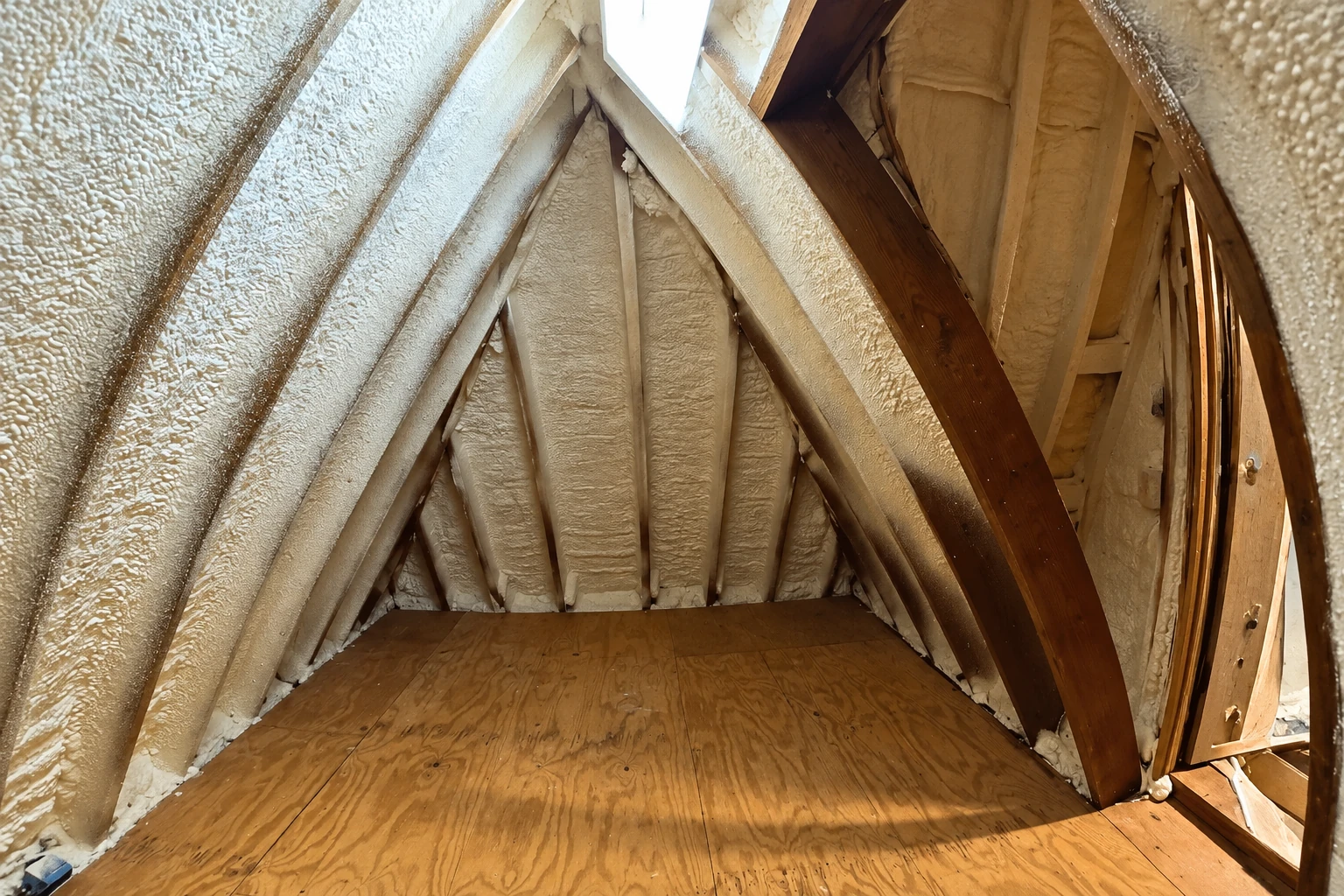
Spray foam insulation
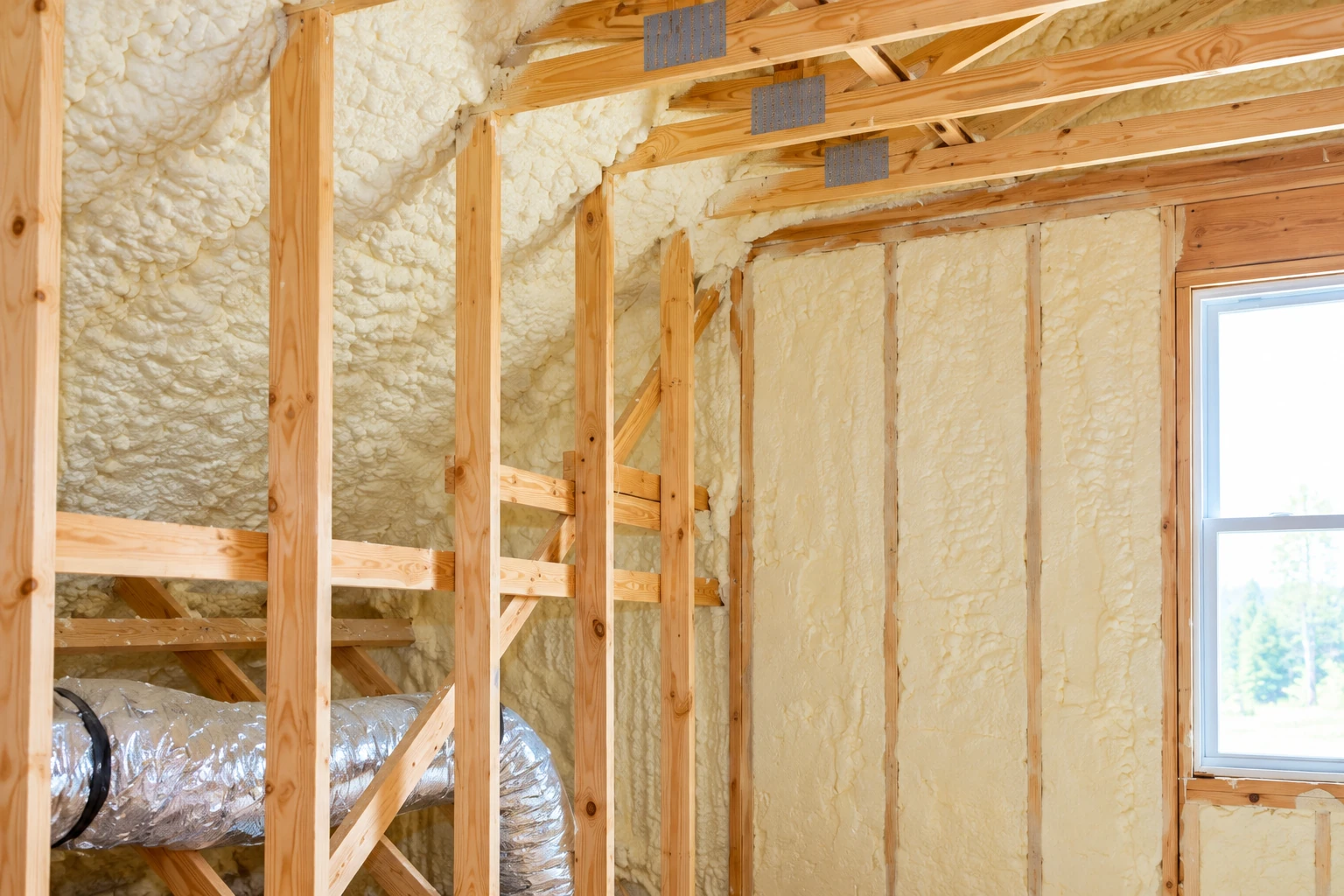
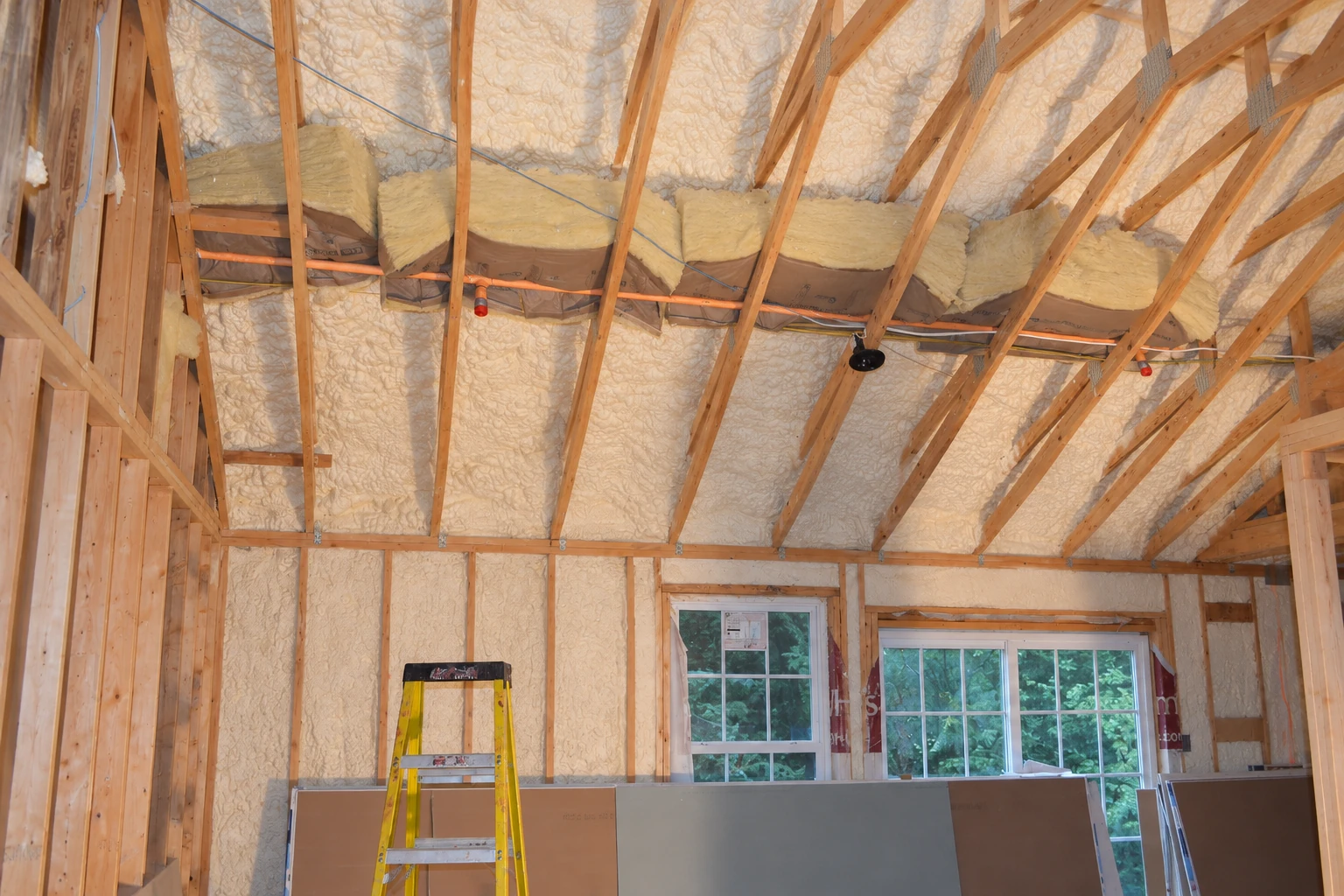
Worth it in Long Beach houses where the ductwork runs through the attic, because foam seals the air leaks and insulates in one pass around those ducts.
Attic insulation
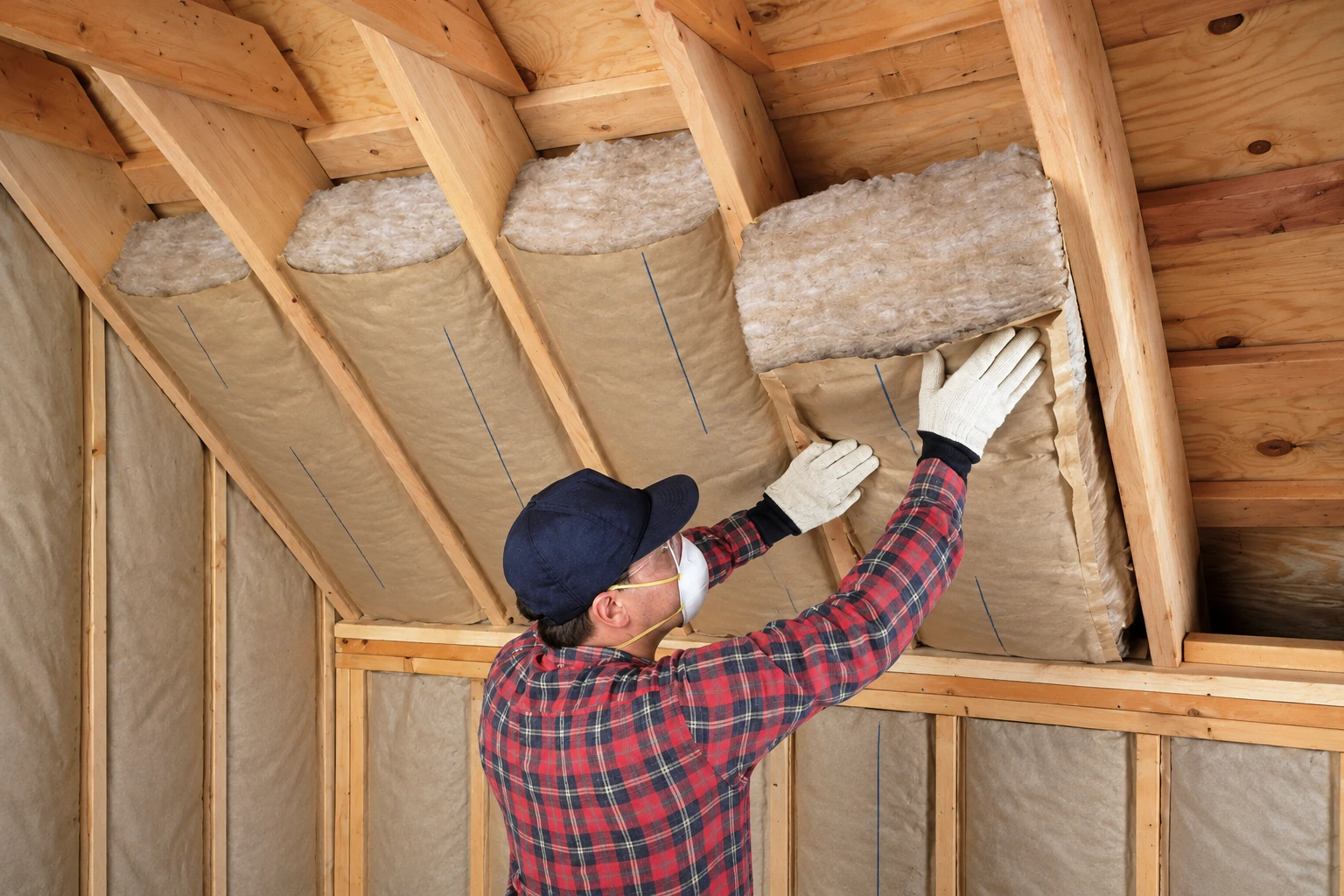
For hot upstairs rooms in Long Beach, we measure the inches already up there, seal the gaps, then bring coverage up evenly to the eaves.
Blown-in insulation
Loose fill blown through a hose suits the low, tight attics on many older Long Beach houses, because it reaches corners a person can't crawl to.
Home insulation
When the whole house runs drafty or the power bill climbs every summer, we look at the attic, walls and floor together, then tell you where to start.
Insulation removal
Attic insulation in older Long Beach homes is often flattened, damp or full of droppings, and it has to come out before anything new goes in.
Crawl space insulation
Long Beach houses built over a crawl space often have cold floors in winter, so we insulate underneath once we know the space below stays dry.
Wall insulation
Plenty of older walls here were built with little or nothing inside them, and we can fill those cavities through small holes rather than tearing out plaster.
Air sealing services
In drafty older houses around the city, we close the gaps around pipes, wires and the attic hatch first, so the insulation isn't fighting a draft.
Basement insulation
We don't see many basements in Long Beach, but where there is one, we check for water before insulating the walls, because covering damp walls traps it.
Closed-cell foam insulation
Closed-cell foam, a dense foam that blocks moisture, fits the spots that stay damp, like crawl spaces and the lower walls of older Long Beach houses.
Open-cell foam insulation
Open-cell foam is softer and lighter, and it suits rooflines and walls in houses near busy Long Beach streets where you want air sealed and noise softened.
Commercial insulation
Property managers call us about shops, offices and small commercial buildings where tenants complain of heat or drafts, and we can plan work around business hours.
Crawl space vapor barrier
Under raised-floor houses here, a heavy plastic sheet over the dirt keeps ground moisture out of the framing, and we lay it after any standing water is fixed.
Vapor barrier installation
Near the coast, walls over a damp crawl space and bathrooms can push moisture into insulation, so we put a vapor barrier on the side that stops it.
Attic air sealing
Can lights, plumbing vents and the hatch leave holes in older ceilings, so we seal them before insulation goes on top and keep the eave vents clear.
Retrofit insulation
Retrofit work adds insulation to a Long Beach house you already live in, so we plan around old wiring, plaster walls and whatever earlier owners left behind.
Get a free insulation estimate for your Long Beach home
Send the form or call, and we'll reply within one business day to set up a free estimate at your home. Once you've read it, there's no pressure to book.
(424) 528-1317- Based in
- Lawndale, CA 90260
- Hours
- Mon–Fri: 7 AM–9 PM, Sat–Sun: 6 AM–9 PM
What to know before insulation work starts in Long Beach
Permits for work on a Long Beach house come from the city's Development Permit Center, and the city only issues them to a contractor who holds a valid California contractor's license and an active Long Beach business license, so those are the two things to ask any contractor for before you sign. We're fully licensed and insured. Before we start, we check with the city about your address, and if your job needs a permit we take care of the paperwork and the inspection, which adds a wait before the crew starts and an inspection visit at the end. If your house is in a historic district or the coastal zone, the city says extra requirements may apply, so that's part of what we ask about up front.
Price and schedule here turn on what I find on the first visit. How big the attic or crawl space is and how easy it is to get into, how many inches are already up there, whether old insulation has to come out, how many gaps need sealing, and whether loose fill or foam makes sense all move the number, and a damp spot or old wiring that has to be fixed first moves the start date. Your written estimate lists each of those steps in order, so you can see what you're paying for. I came back to this trade after years doing other work, which is why I read the city's rules and the current guidance closely instead of going on habit, and we work the same way in Del Aire and the other cities around the South Bay.
What we find in Long Beach attics and crawl spaces
A lot of Long Beach houses are old enough that the attic insulation has had decades to settle, soak up a roof leak or fill with droppings, and a hot upstairs room or a climbing power bill is usually the first sign. We pull out what's spoiled rather than burying it under fresh material, seal the gaps around lights, pipes and the hatch, and spread new insulation evenly to the edges without covering the eave vents that let the attic breathe. If something looks like vermiculite, a pebbly gray-brown fill some older attics have, we stop and check before anyone disturbs it.
Water is the other thing. Some areas of Long Beach could flood in a major rainstorm, and a crawl space that took on water can stay damp long after, so I look for wet soil, stains and soft wood under the floor before we quote anything down there. If it's wet, the water gets dealt with first, because insulation over a damp crawl space just holds the moisture against the framing.
How an insulation job runs when you call us in Long Beach
From your first call to the final walk-through, you deal with me and our crew, and you know what's happening at each step.
Call or send the form
Tell us what you're noticing, like a hot room upstairs, cold floors or a musty attic, and we'll get back to you to set up a visit. Pick a time when you or someone who knows the house can be home.
I come out and measure
I come out myself to measure the attic, walls or crawl space and note anything that has to be handled first, like old wiring, damp spots or insulation that looks like vermiculite. If a job isn't ready yet, I'll say so instead of quoting work we'd end up doing twice.
Read your written estimate
You get a written estimate that lists each step in the order we'd do it, so you can see what you're paying for before you decide. If you go ahead, we sort out any permit with the city before the crew shows up.
Install and walk through together
Our crew does the install with me on site, sealing first and insulating second, and any required inspection follows. Then I walk through the finished job with you so you can see the work for yourself.
Questions about insulation in Long Beach
Do I need a permit to insulate my house in Long Beach?
Most work on a Long Beach home needs a permit and an inspection, according to the city's permit guidance, and that includes alterations, replacements and repairs. Some minor work may be exempt, but that's the building official's call, so we check your job with the city before we start and handle the paperwork and inspection when a permit is needed.
Can I get my own permit for insulation work in Long Beach?
Usually yes, if you live in the house or will live there, since the city lets a homeowner get a permit and do work on their own home. The city's permit questions page also limits owner permits to certain kinds of homes, so confirm yours qualifies before you apply. If you hire us, the permit and the inspection are ours to handle.
When does an insulation contractor in California need a state license?
A contractor needs a license from the state licensing board when the project needs a building permit, uses any other workers, or comes to $1,000 or more in labor and materials across one or more contracts on the project. Any insulation job done by a crew falls under that, so ask for the license before you sign.
How much does it cost to insulate an attic in Long Beach?
Sealing the gaps and topping up with loose fill is usually the less costly route, and foam costs more because it seals air and insulates in one step. Foam earns that price mainly when your ductwork runs through the attic. Hauling out soaked or dirty old insulation first adds to the job, and your written estimate shows each of those pieces so you can weigh them.
How long do we have to stay out of the house after spray foam insulation?
You stay out until the foam maker's re-entry time has passed, which is the wait before people and pets can safely come back inside, and I'll tell you that time before we schedule the job. With loose fill and air sealing you can usually stay home, though it's best to keep kids and pets away from the attic hatch while the crew works.
How do I know if my Long Beach attic needs more insulation?
A hot upstairs room, a power bill that jumps on summer afternoons, or insulation so thin you can see the ceiling joists poking through usually means there isn't enough up there. Old insulation that's flattened, stained or full of droppings is another sign, and it generally has to come out rather than get covered. I also check the edges by the eaves, because that's where coverage is most often too thin.
Lawndale, CA
Book your Long Beach insulation estimate
Call (424) 528-1317 or send the form, because a damp spot or old wiring is far easier to fix when we find it before new insulation covers it.